Two nights with Oasis: what stadium-scale photography demands
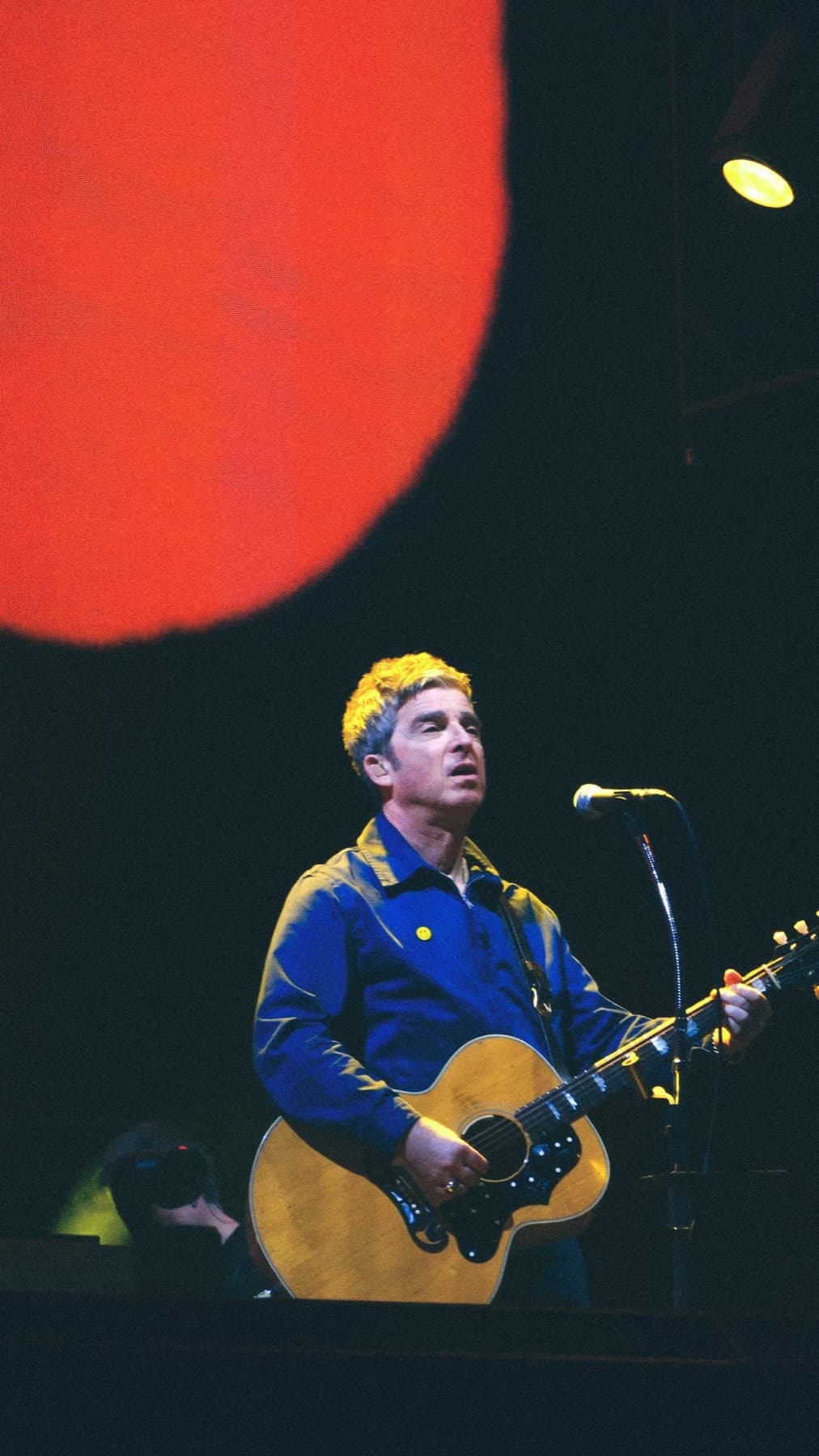
For a decade this tour could not happen, and then it did. Being in the room for Oasis on the Live '25 World Tour meant photographing two things at once: a band, and an audience that had waited ten years to be there. The second subject is the one most photographers miss.
Stadium scale changes the job
In a club, you work the light. In a stadium, you work the geography. The distances are brutal · from the pit, the band is close but the scale is invisible; from the wings, the scale is everything but the faces disappear. The set list becomes your map: you plan which songs you shoot from where, because moving through a stadium mid-show costs you two songs minimum.
Oasis specifically is a band of stillness · no choreography, no pyro arms. The swagger is in the stance. The photograph lives in tighter frames, and in the moments where sixty thousand people answer a chorus and the crowd becomes the performer.
In a club, you work the light. In a stadium, you work the geography.
What it means for tours and festivals
- Stadium and arena coverage needs a shot plan agreed with production · positions, songs, movement windows.
- The audience is half the story on reunion and anniversary tours · brief the photographer to shoot the room, not just the stage.
- Wings and FOH access produce the frames that pit passes cannot · the scale, the production, the sea of people.
Working on a tour that needs documenting properly?
Talk coverage →